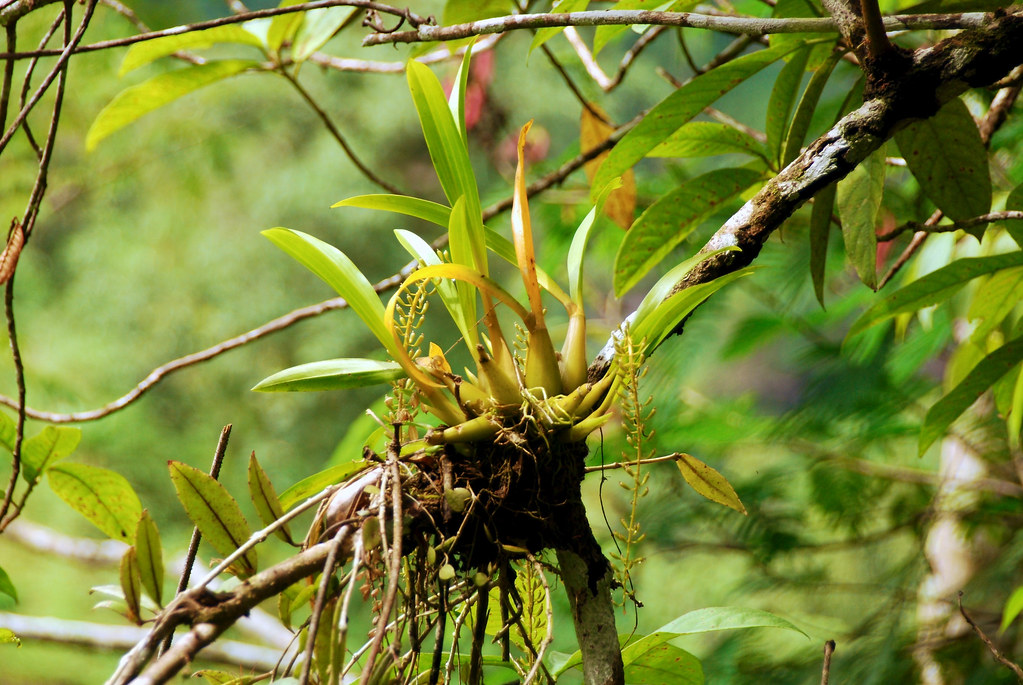
They’re not loud. They don’t stand out from far away. And that’s exactly what makes them special. In the Riviera Maya, some of the most beautiful things… are the ones you almost miss. 🌿 Where You Find Them Orchids grow quietly across the region. Attached to trees, hidden among leaves, blending into the jungle. They’re not planted. They’re not arranged. They just… exist. Naturally. 🌸 Small, But Incredible These aren’t the large, decorative orchids you might see in a shop. Wild orchids here are often smaller, more delicate—each one unique. Different shapes. Unexpected colors. Details you only notice if you slow down. 🌿 Part of Something Bigger Most orchids in this region are epiphytes—plants that grow on other plants without harming them. They don’t take from the tree. They coexist with it. Taking moisture from the air, adapting to the environment, becoming part of the ecosystem. ✨ Why You Usually Don’t See Them Because they don’t try to be seen. You have to look for them. Or better—slow down enough to notice them. And when you do… it changes the way you see the jungle. The Riviera Maya isn’t just about big landscapes and clear water. It’s also about the small, quiet details that live in between. What would you notice if you slowed down? 🌿

If you look around Quintana Roo, something stands out immediately: Everything is green. All year. Even during dry periods. So… how does that work? 🌿 Water Doesn’t Disappear—It Goes Underground Just like cenotes, the region sits on porous limestone. When it rains, water doesn’t stay on the surface—it filters underground and creates vast reservoirs. Tree roots grow deep and wide, reaching that hidden water supply. 👉 So even when it doesn’t rain… the water is still there. 🌴 Tropical Climate = Year-Round Growth Quintana Roo has a tropical climate: Warm temperatures all year High humidity Seasonal rain (not constant, but enough) This combination allows plants to keep growing without long “dead” seasons like in colder climates. 🌿 Many Plants Don’t Lose Their Leaves Unlike deciduous forests (where trees lose leaves in fall), many plants here are evergreen. They’re adapted to: Retain moisture Withstand dry periods Stay green year-round 🌊 Humidity Helps More Than You Think Even without rain, the air itself carries moisture. That humidity reduces water loss from plants and helps maintain that constant green look. ✨ It’s a System That Works Together Underground water. Warm weather. Humidity. Adapted vegetation. Everything connects. That’s why, even when it hasn’t rained in days—or weeks—the jungle in Quintana Roo still looks alive. Because the water never really leaves. And that’s part of what makes this place feel so… full of life. 🌿
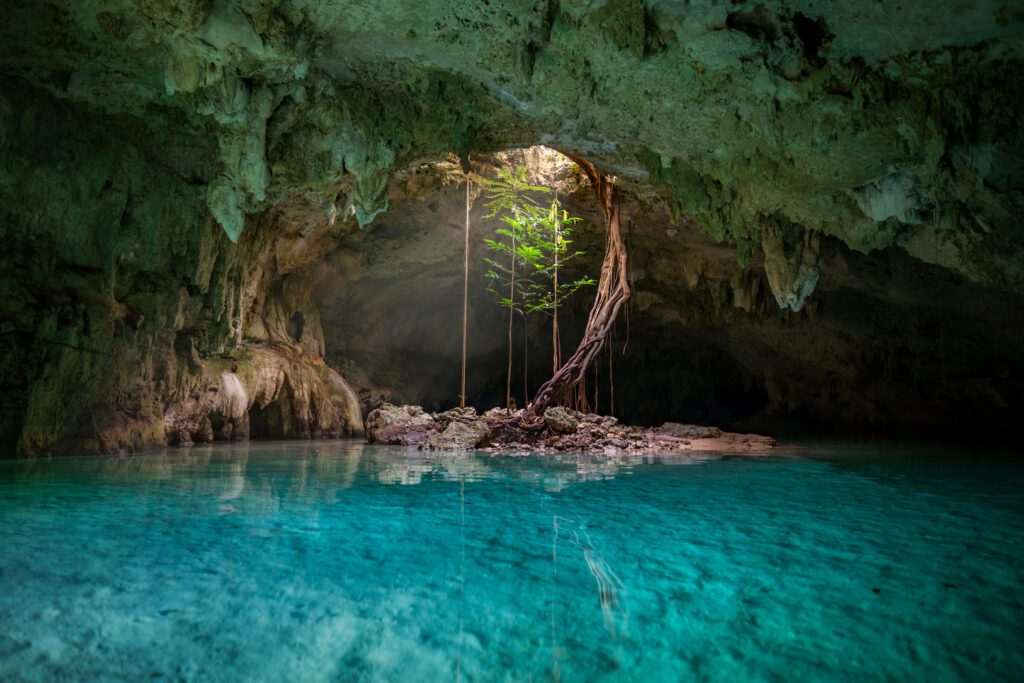
In most places, water flows on the surface. In Quintana Roo… it disappears underground. And that’s exactly why cenotes exist here. 🌿 A Land Made of Limestone The entire Yucatán Peninsula is formed by porous limestone rock. Unlike solid ground, this type of rock allows rainwater to seep through easily. Over thousands of years, that water slowly dissolves the limestone, creating: Underground rivers Cave systems Natural sinkholes Those sinkholes… are cenotes. 💧 No Rivers—But Water Everywhere One of the most surprising things about Quintana Roo: There are almost no visible rivers. Instead, all the freshwater flows beneath your feet. Cenotes are the natural “windows” into that underground system—giving access to some of the clearest water in the world. 🌊 Part of a Massive Underground Network These aren’t isolated spots. They’re connected. The region is home to one of the largest underwater cave systems on Earth—stretching for hundreds of kilometers beneath the jungle. That’s why every cenote feels different, but all are part of the same hidden world. 🌿 More Than Just Beautiful For the ancient Maya, cenotes were sacred. They were seen as portals to the underworld—and sources of life. Today, they remain one of the most unique natural features of the region. Cenotes aren’t just random pools. They’re the result of thousands of years of geology, water, and time—working quietly beneath the surface. And once you step into one… you understand why they’re so special. 🌊✨
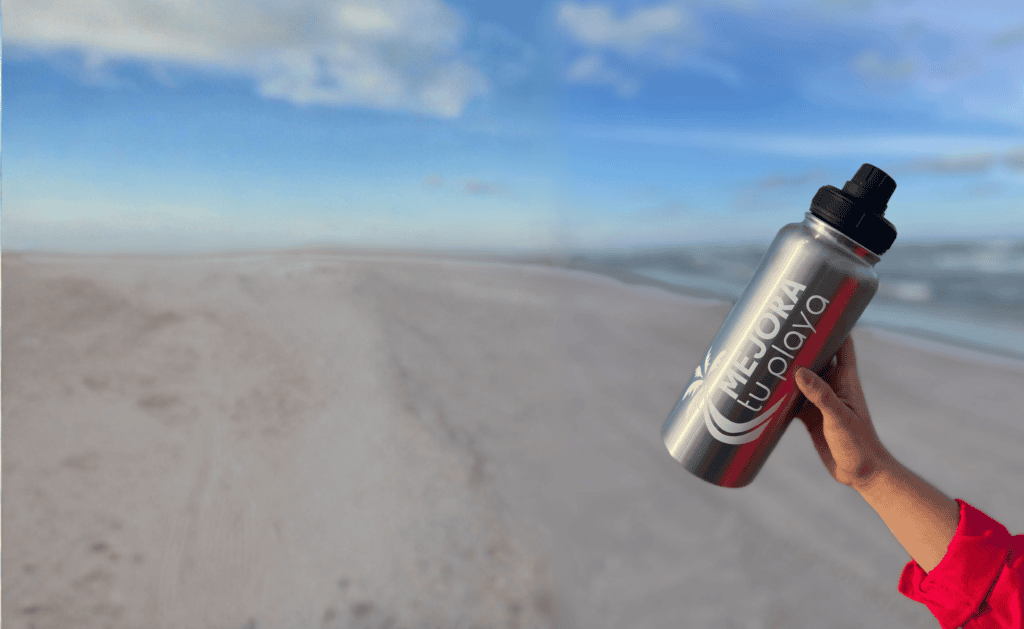
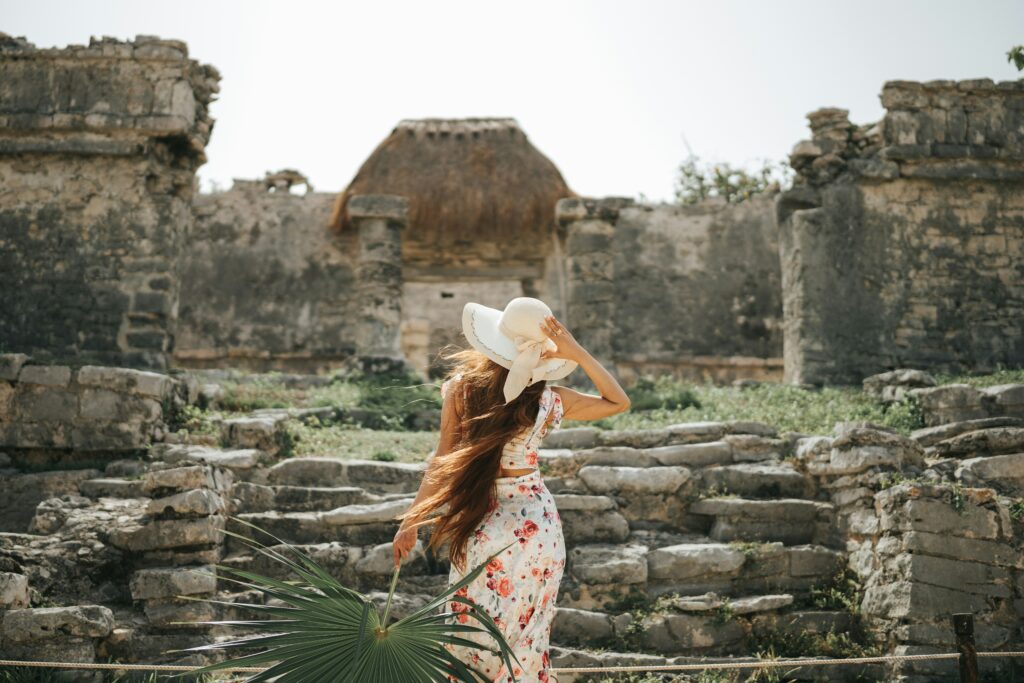
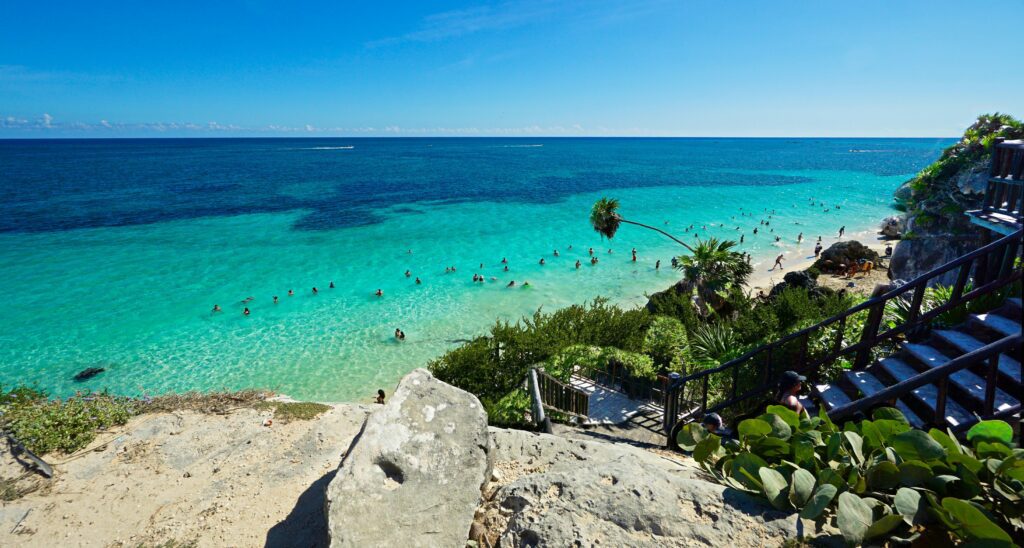
In the Riviera Maya, small decisions can make a big difference. And bringing your own reusable water bottle is one of them. 💧 It’s Allowed and Highly Recommended At sites like Tulum Ruins and Isla Contoy, carrying your own water is not just allowed—it’s essential because you can’t enter with plastic bottles. A metal bottle helps keep your water cooler for longer and reduces the need for single-use plastic. ☀️ The Heat Makes It Necessary Walking through open archaeological areas under direct sun can be intense. There’s limited shade, and temperatures rise quickly—even in the morning. Having enough water with you isn’t optional—it’s part of having a good experience. ⚠️ Just Keep It Practical Standard-size bottles are fine Oversized containers or bulky bags may be restricted Entrance checks are common Keeping it simple makes everything easier. 🌿 A Better Way to Travel Choosing a reusable bottle helps reduce waste and keeps these places clean and preserved. Bringing a metal water bottle isn’t just allowed. It’s one of the smartest—and easiest—ways to explore comfortably in the Riviera Maya. Stay cool. Stay prepared. Enjoy more. 🌿
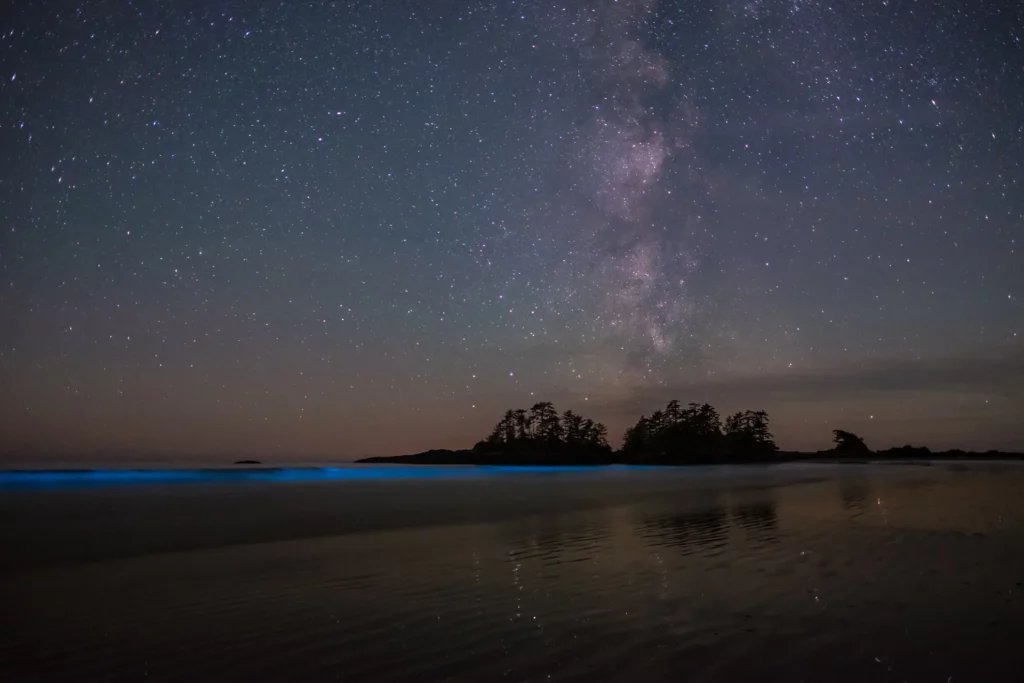
It doesn’t look real. At first, you don’t even notice it. And then… you move your hand through the water. Light. Tiny sparks glowing in the dark. ✨ What Is Bioluminescence? Bioluminescence is a natural phenomenon caused by microscopic organisms in the water. When they’re disturbed—by movement, waves, or even your hand—they emit light. Not artificial. Not staged. Completely natural. 🌊 Why Holbox Feels So Special The conditions around Holbox make this experience even more intense. Shallow waters. Minimal light pollution. Calm surroundings. Everything comes together to create that glowing effect that feels almost surreal. 🌙 A Different Kind of Night This isn’t about bright lights or loud moments. It’s quiet. You walk into the water… and every step lights up around you. Every movement leaves a trail. Like the ocean is reacting to you. ✨ One of Those Moments It’s hard to photograph. Hard to explain. But easy to remember. Because it’s not just something you see. It’s something you experience—completely in the moment. Not everything in the Riviera Maya happens during the day. Some of the most unforgettable moments… happen in the dark. Would you step into the glow? 🌙✨
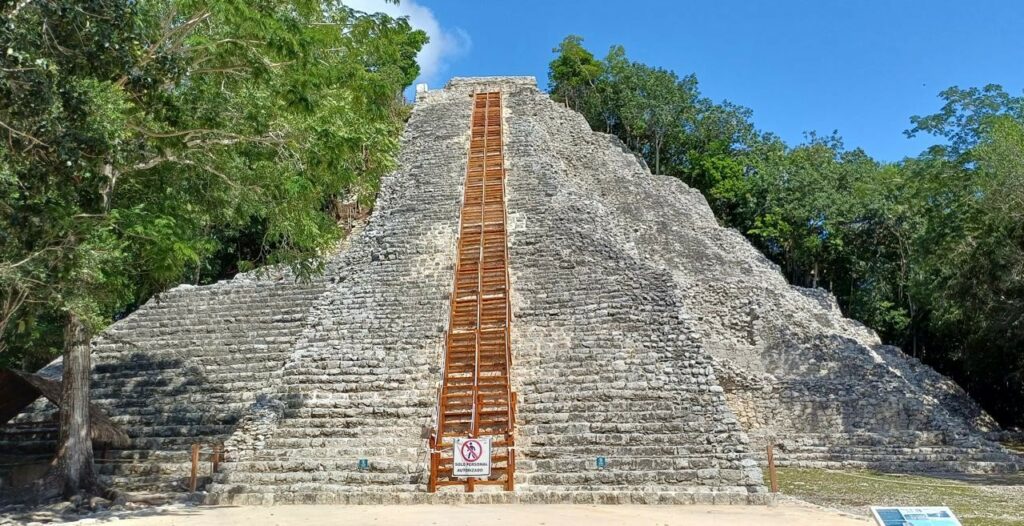
For a long time, it wasn’t possible. One of the most iconic experiences in the Riviera Maya had been paused… and many thought it wouldn’t come back. But now—it’s back. You can climb again in Cobá. And it changes everything. 🌿 More Than Just Ruins Cobá has always been different. Surrounded by dense jungle, far from crowds and open spaces, it feels more raw… more connected. But climbing its main pyramid—the Nohoch Mul—takes the experience to another level. Literally. 🧗 The Climb It’s not short. And it’s not easy. The steps are steep, uneven, and the higher you go, the more you feel it. But that’s part of it. Every step slows you down, makes you aware, makes you present. And then—you reach the top. 🌅 The View You Earn Endless jungle in every direction. No buildings. No noise. Just green. It’s one of the few places where you truly feel how vast this region is. And how small everything else becomes for a moment. ✨ Why It Matters This isn’t just about climbing a pyramid. It’s about experiencing something that many thought was gone. Something that connects you more directly to history, to nature… and to the effort it takes to get there. Cobá has always been special. But now, it feels complete again. Ready to see it from the top? 🌿
Packing for the Riviera Maya sounds easy. Until you spend a full day out… and realize the heat, humidity, and activities change everything. What you wear here isn’t just about style. It’s about comfort, movement, and being ready for anything. 👕 Light, Breathable Fabrics Are Everything The heat can feel intense—especially midday. 👉 Go for: Linen Cotton Loose fits You’ll stay cooler, and way more comfortable. 🩱 Swimwear… Even If You Don’t Plan to Swim Plans change quickly here. A cenote stop. A beach moment. An unexpected swim. 👉 Tip: wear it underneath—you’ll thank yourself later. 👟 Shoes That Can Get Wet Not every place has soft sand. Cenotes, docks, and boats can be slippery or rocky. 👉 Best options: Sandals with grip Water shoes 🕶️ Sun Protection (Beyond Sunscreen) The sun hits harder than you expect. 👉 Add: Hat or cap Sunglasses Light long sleeve (game changer) 🌊 Layers for the Unexpected Boat rides, wind, or the ride back can feel cooler. 👉 A light layer makes a big difference. At the end of the day, it’s not about packing more. It’s about being ready. Because in the Riviera Maya, your day can go from jungle… to ocean… to cenote—without much warning. Dress smart. Move easy. Enjoy more. 🌊
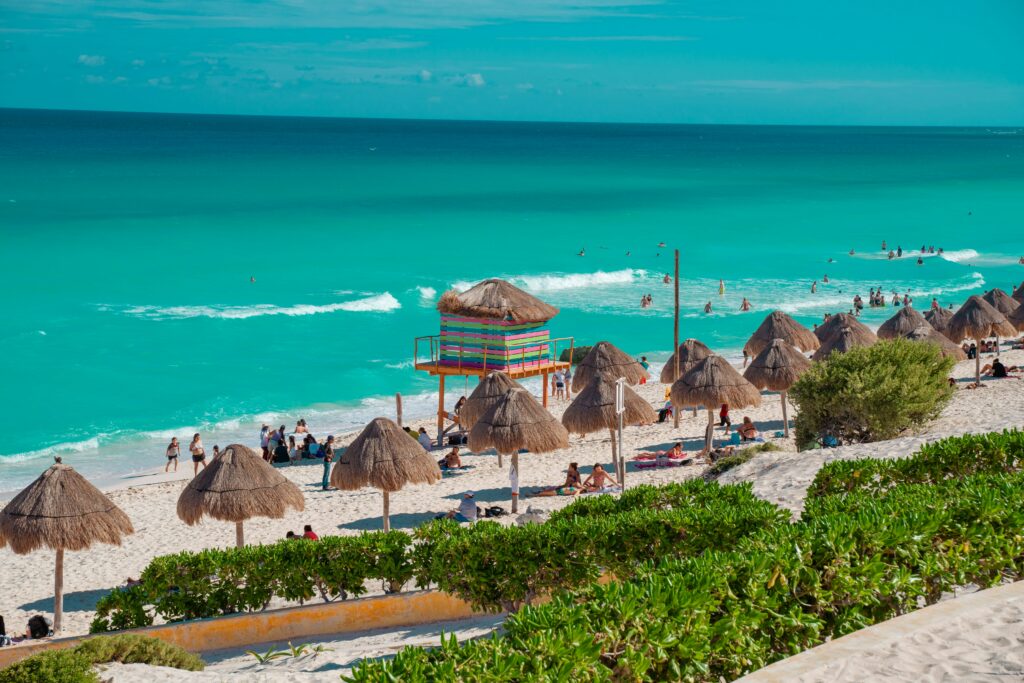
It’s one of the most common questions. And also… one of the most misunderstood. Because the truth is—there’s no single “perfect” time to visit the Riviera Maya. It depends on what you’re looking for. ☀️ High Season (December – April) This is what most people imagine. Sunny days, cooler temperatures, and generally calmer seas. 👉 Best for: First-time visitors Perfect beach conditions Comfortable weather ⚠️ Keep in mind: It’s also the busiest—and most expensive—time of the year. 🌊 Shoulder Season (May – June & October – November) A sweet spot many travelers don’t know about. Fewer crowds, good weather, and great conditions for many activities. 👉 Bonus: This is when whale shark season begins (June). 🌴 Summer (July – September) Hot, vibrant, and full of life. The ocean is warm, colors are intense, and marine life is very active. 👉 Best for: Whale shark encounters Snorkeling and marine experiences ⚠️ Reality check: Heat and occasional sargassum can be present. 🌧️ Low Season (Late September – Early November) Less predictable—but not necessarily a bad thing. Rain usually comes in short bursts, and you can still have amazing days. 👉 Best for: Lower prices Fewer tourists A more relaxed vibe 🌊 So… When Should You Go? If you want perfect weather → winter If you want fewer people → shoulder season If you want unique wildlife → summer There’s no wrong time. Just different experiences. The Riviera Maya doesn’t change—it just shows you a different side depending on when you arrive. When would you go? 🌊
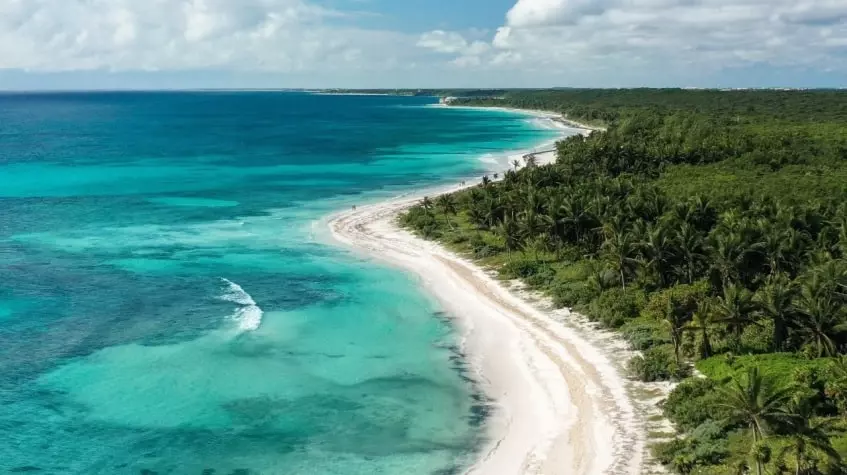
Everyone comes with an idea of what the Riviera Maya will be like. Beaches. Sun. Resorts. And yes… all of that is real. But what people don’t expect? That’s usually what stays with them the most. 🌿 It’s Way More Jungle Than You Think Beyond the coastline, the region is covered in thick jungle. Not just a few palm trees—real, dense, alive jungle. It’s what hides cenotes, ancient ruins, and entire ecosystems you don’t see from the road. 🐢 Wildlife Isn’t Rare Here In many destinations, seeing wildlife is lucky. Here, it’s part of the experience. Sea turtles, dolphins, birds, even crocodiles in places like Sian Ka’an Biosphere Reserve. It’s not guaranteed—but it’s very real. 🌊 The Ocean Has Moods Some days it’s perfectly calm. Others, more dynamic. Wind, currents, and weather change things constantly. And once you accept that… you enjoy it more. 🌮 The Food Is a Whole Experience It’s not just “Mexican food”. It’s regional, rich, and full of flavor. From simple street tacos to traditional dishes like cochinita pibil—food here tells its own story. ✨ It Feels Different This one’s harder to explain. But almost everyone says it. There’s something about this place—nature, culture, energy—that just feels… different. And once you notice it, everything else changes. The Riviera Maya isn’t just what you expect. It’s everything you didn’t know you were looking for. What surprised you the most? 🌊
Most people fall in love with the Riviera Maya during the day. The colors. The ocean. The light. But at night… everything changes. And in some ways, it becomes even more special. ✨ The Sky You Don’t Expect Away from the cities and hotel zones, the sky opens up. No filters. No noise. Just stars. Places like Sian Ka’an Biosphere Reserve or Holbox offer some of the clearest night skies in the region—where you can actually see the Milky Way stretching across the horizon. It’s quiet. Still. Almost unreal. 🌙 The Jungle at Night During the day, the jungle feels alive. At night… it feels mysterious. The sounds shift. The temperature drops. The entire atmosphere changes. What you couldn’t hear before suddenly becomes clear—the subtle movement, the distant calls, the rhythm of nature continuing without you. 💫 More Than Just a View This isn’t about taking pictures. It’s about the feeling. Sitting under a sky full of stars, far from everything, you realize how rare that kind of silence is. No notifications. No distractions. Just a moment. 🔥 Experiences That Feel Different at Night Some experiences in the Riviera Maya take on a completely new meaning after sunset. A traditional ceremony. A quiet dinner surrounded by nature. Even a swim in a cenote under the night sky. It’s not just the activity. It’s the atmosphere. Not everything here is about bright blue water and sunny days. Some of the most unforgettable moments happen in the dark… when everything slows down, and you finally notice what’s around you. Would you stay out a little longer? 🌙✨