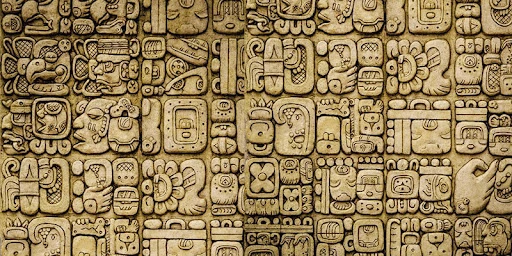
You see it everywhere. The names. The symbols. The stories. But the Maya culture in the Riviera Maya isn’t just something from the past. It’s still here. 🏛️ More Than Ancient Ruins Places like Chichén Itzá, Tulum Ruins, and Cobá are often seen as archaeological sites. But for the Maya, these weren’t just cities. They were centers of knowledge—astronomy, mathematics, and a deep understanding of nature. Every structure had meaning. Every alignment, a purpose. 🌿 A Culture Still Alive Today, Maya communities still live across the region. Their language, traditions, and way of seeing the world continue to shape daily life—especially in more local areas beyond the main tourist zones. You’ll notice it in the food. In the rituals. In the connection to nature. 🌊 Nature Was Never Separate For the Maya, nature wasn’t something outside of life. It was part of everything. Cenotes were sacred. The jungle was alive. The ocean was powerful. And that perspective still influences how many experiences are lived today in the Riviera Maya. ✨ Why You Feel It Even if you don’t know the history in detail… you feel something. Walking through ruins. Entering a cenote. Being deep in the jungle. There’s a sense of connection that’s hard to explain—but easy to notice. The Riviera Maya isn’t just a destination built for tourism. It’s a place with roots. And once you start to see that… everything feels different. What will you discover beyond the surface? 🌿

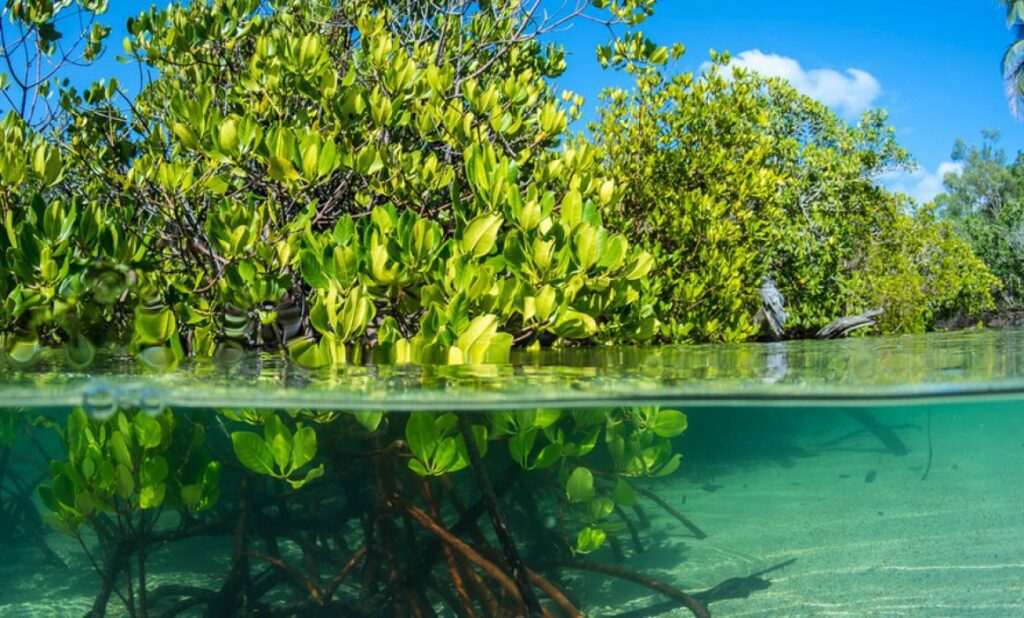
Most people come to the Riviera Maya for the beaches. But some of the most important life here… starts far from the shore. In the mangroves. Places like Sian Ka’an Biosphere Reserve are home to vast networks of mangroves—quiet, almost still landscapes where everything feels slower… but nothing is actually still. Because beneath the surface, life is everywhere. 🌿 What Makes Mangroves So Important? Mangroves are more than just trees. They are natural nurseries. Fish, rays, crustaceans, and countless marine species begin their lives here, protected by the tangled roots that act like a natural shelter. Without mangroves, the reefs wouldn’t thrive. And without reefs… the ocean wouldn’t be the same. Everything is connected. 🌊 A Different Kind of Beauty This isn’t the dramatic blue of the open sea. It’s calmer. Softer. More subtle. Shades of green and gold, reflections on still water, the quiet movement of life just below the surface. It’s the kind of place you don’t just look at. You notice it. 🐊 Who Lives Here? Mangroves are full of life—some of it easy to see, some of it hidden. You might spot birds flying overhead, fish moving between the roots… and sometimes even a American crocodile resting silently near the edges. It’s not about spectacle. It’s about observing a world that exists on its own terms. 🌿 Why It Matters Mangroves protect coastlines from erosion, filter the water, and support entire ecosystems. They are one of the most important—and most fragile—environments in the region. And yet, many people never even realize they exist. In the end, the mangroves aren’t loud. They don’t try to impress you. But once you understand them… you see the Riviera Maya differently. Because this is where it all begins. What will you discover beyond the surface? 🌊🌿
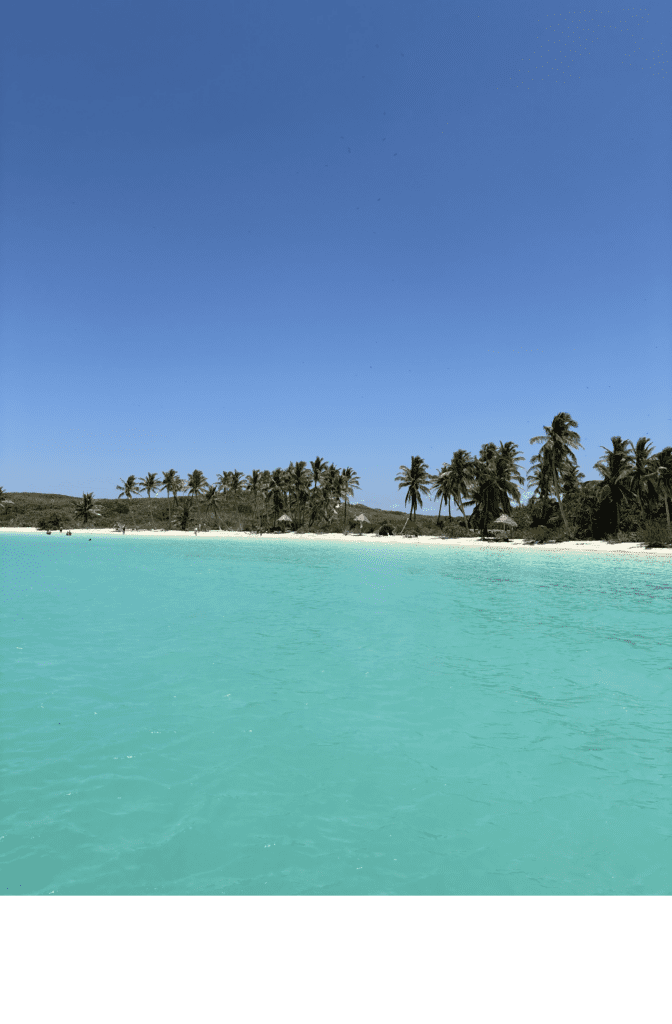
Some places are beautiful. The Riviera Maya is something else. Here, your days doesn’t follow a single story—it unfolds in layers. You can start your vacations walking through ancient history at Tulum Ruins, with the Caribbean Sea stretching endlessly behind you. A place where culture and landscape meet in a way that feels almost unreal. The next day, you’re deep in the jungle. Not just seeing it—but hearing it, feeling it. The heat, the sounds, the stillness. Maybe even climbing ancient structures in places like Cobá, where the experience feels more raw, more connected. And in your last day… water. Turquoise, calm, alive. Out on the Caribbean Sea, everything shifts again. The breeze, the colors, the rhythm. In places like Isla Contoy, nature takes over completely—no crowds, no noise, just untouched beauty and wildlife all around you. That’s the magic here. It’s not just one highlight. It’s the way everything connects. History, nature, adventure, and moments of pure stillness… No filters needed. No expectations required. Just show up—and let the place do the rest. Because in the Riviera Maya, it’s not about choosing one experience. It’s about living many. What will be your next memory? 🌊
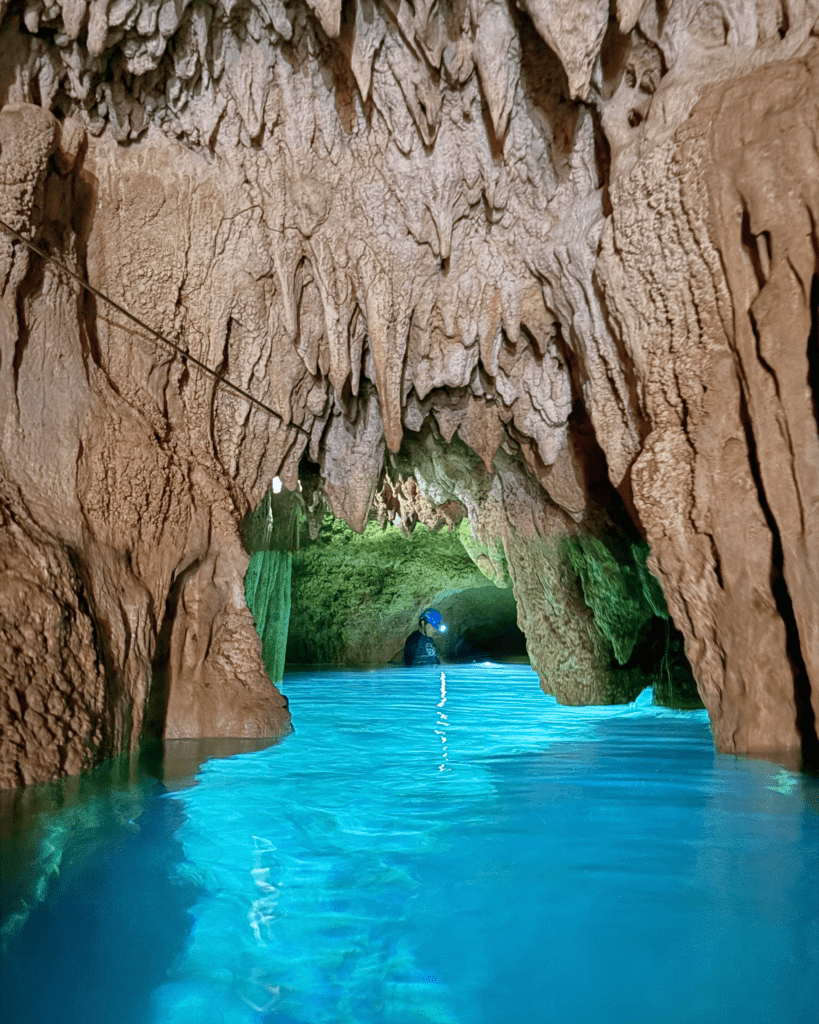
At first glance, the Riviera Maya is all about the sea. But some of its most incredible places are hidden underground. Cenotes are natural sinkholes filled with fresh, crystal-clear water. They were formed thousands of years ago, when limestone collapsed and revealed underground rivers. For the ancient Maya, these places were sacred. They believed cenotes were gateways to the underworld. Today, they offer something different— a chance to experience nature in its purest form. Some are open to the sky, surrounded by jungle. Others are caves, where light filters in through small openings, creating a surreal atmosphere. No two cenotes are the same. Swimming in one is not just refreshing— it’s quiet, almost meditative. In a destination known for its beaches, cenotes remind you there’s another side to explore. One that’s deeper, older, and unforgettable.
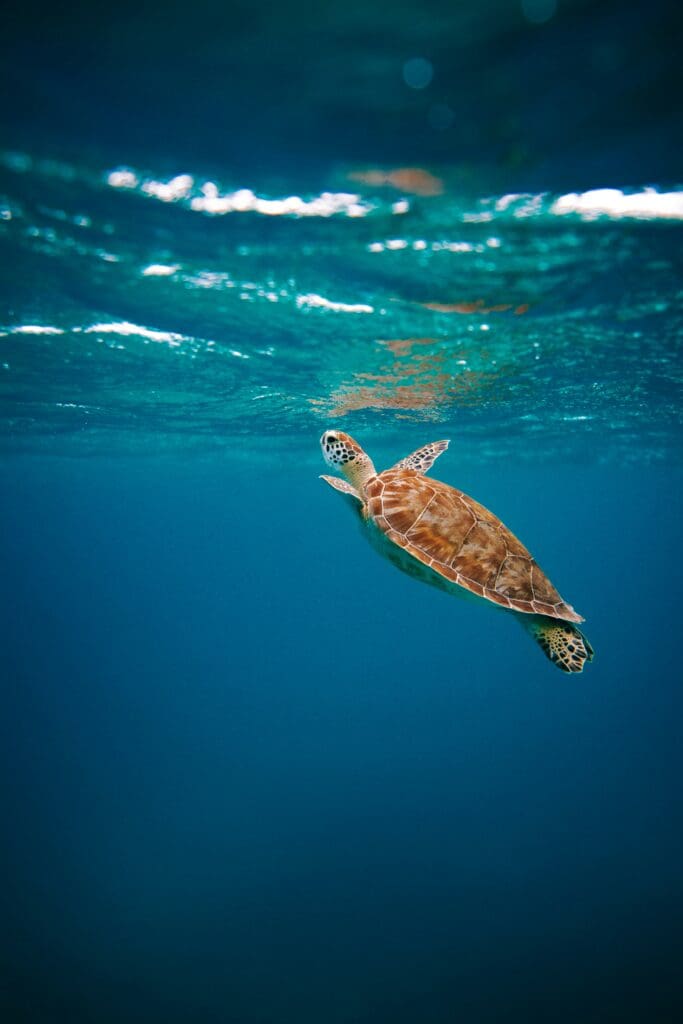
Seeing a sea turtle glide through the water is unforgettable. Calm. Silent. Effortless. But encounters like these are never guaranteed — and that’s what makes them special. Ancient travelers of the ocean Sea turtles have been navigating the oceans for millions of years. They return to these waters to feed, rest, and migrate, following routes older than humanity itself. Sharing the ocean with them is a privilege. How to observe responsibly When turtles appear, distance matters. Touching, chasing, or blocking their path causes stress and disrupts their natural behavior. Responsible observation means: Keeping a respectful distance Letting turtles set the pace Observing without interference The quieter the moment, the more meaningful it becomes. Why protection is essential Sea turtles face many threats, from pollution to habitat loss. Human behavior plays a crucial role in their survival. Protecting them ensures these encounters remain possible — not just for travelers, but for the ecosystem as a whole. Nature doesn’t owe us sightings. Respect is the only way to be invited.
Mayan rituals were never meant to entertain. They were meant to connect. Each ritual carried intention, symbolism, and deep respect for the natural and spiritual world. Fire, water, earth, and air were not elements — they were living forces. A language made of symbols Rituals used movement, sound, smoke, and silence to communicate with the unseen. Nothing was random. Every gesture had meaning. Fire represented transformation. Copal smoke carried messages. Water symbolized life and renewal. These rituals were a way of keeping balance between humans, nature, and the cosmos. Not a performance For the Maya, rituals were sacred acts, not spectacles. They marked moments of gratitude, protection, and transition. Understanding this changes how we witness them today. What may look simple on the surface carries centuries of belief and tradition beneath it. Why respect matters Experiencing a ritual respectfully means listening more than watching. It means observing without judgment and understanding that these traditions are still alive. When approached with awareness, rituals stop being something you see — and become something you feel. Culture isn’t something to consume. It’s something to honor.
When people think about Mexico, they imagine beaches, cenotes and ancient ruins… But there’s something just as unforgettable: the food. If you’re visiting the Riviera Maya, here are 4 traditional flavors you absolutely have to try. 🫓 Handmade Tortillas Freshly made, warm, soft, and slightly smoky. Handmade corn tortillas are the base of Mexican cuisine. They’re not just food — they’re tradition. In many Mayan communities, tortillas are still made daily using ancestral techniques. If you ever get the chance to try one straight from the comal… do it. It hits different. 🌶️ Salsa (Real Salsa) There isn’t just one salsa in Mexico. There are dozens. Red, green, roasted, smoky, spicy, fresh — each one changes the flavor of your entire dish. Pro tip: don’t ask “is it spicy?” Just taste it carefully 😅🔥
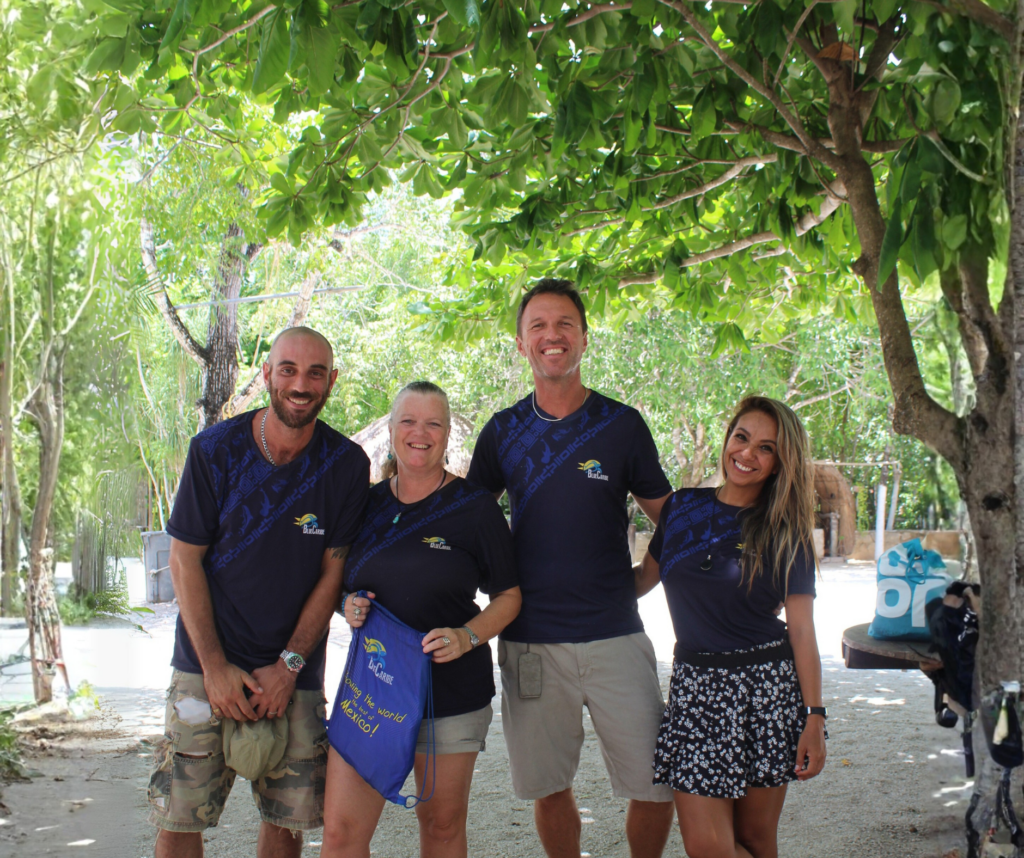
A great tour is not defined by how much you see. It’s defined by how you experience it. At Blue Caribe, the focus goes beyond destinations. It’s about how each moment is lived. More than an itinerary Tours are designed to flow naturally, without rushing or pressure. Small groups, clear information, and thoughtful pacing make the difference. Guides are there not just to lead, but to share context, safety, and understanding. Safety and respect Every experience prioritizes: Certified guides Responsible practices Respect for nature and culture Feeling safe allows you to be present — and presence is what turns activities into memories. An experience that feels real No scripts. No forced moments. Just genuine encounters with places, people, and landscapes. Because traveling well isn’t about doing more. It’s about experiencing better.
Ek Balam doesn’t reveal itself all at once. It waits. Surrounded by dense jungle, this ancient city feels different from the moment you arrive. Quieter. Wilder. Less expected. A city with its own identity Unlike more famous archaeological sites, Ek Balam still feels connected to its surroundings. Nature hasn’t been pushed away — it coexists with the ruins. What makes it special is not just its architecture, but its atmosphere. Here, history feels close. A rare opportunity Ek Balam is one of the few sites where visitors are still allowed to climb the main structure. From the top, the view stretches endlessly over the jungle canopy. It’s not about height. It’s about perspective. Why Ek Balam stands out This site invites exploration without rush. Fewer crowds Strong connection to nature A sense of discovery Ek Balam doesn’t try to impress with scale. It leaves an impression through experience. Some places feel discovered. Others feel remembered.
There isn’t one single “best” season. There are different moments — and each one offers something unique. Weather and sea conditions The Riviera Maya is warm year-round, but conditions change. Calmer seas are more common in winter Summer brings warmer water and greener landscapes Nature follows its own rhythm, not a schedule. Sargassum season Sargassum can appear mainly between spring and summer. It doesn’t affect all areas equally, and many tours focus on: Cenotes Jungle Cultural sites There is always something to explore beyond the beach. Wildlife seasons Some experiences are seasonal. Whale shark season: June 1st to September 17th Sea turtles are more commonly seen during warmer months These moments make each season special. Crowds and atmosphere High season: more visitors, more energy Low season: fewer crowds, slower pace Neither is better — it depends on how you like to travel. Cultural moments Some experiences go beyond nature. Día de Muertos in late October and early November Local festivities and traditions throughout the year These moments offer a deeper cultural connection. Choosing your season The best time to visit is the one that matches what you want to experience: nature, culture, adventure, or calm. Every season has its own rhythm. The key is knowing which one fits you.